News

News

News

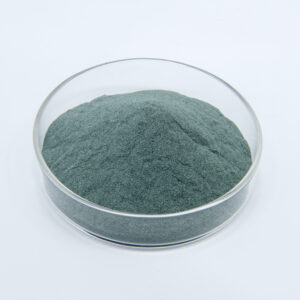
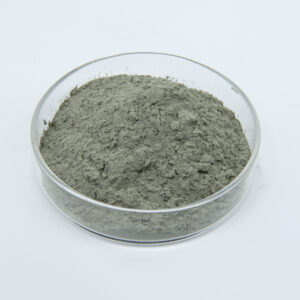
Green silicon carbide powder for glass polishing

Green Silicon Carbide Powder for Glass Polishing Key Properties for Glass Polishing High hardness (Mohs 9.2–9.5), harder than glass, enabling efficient material removal. Excellent self-sharpening – micro-fractures during polishing maintain sharp cutting edges. High chemical purity (typically ≥98% SiC) → no staining or contamination on glass surfaces. Good thermal conductivity → reduces heat buildup, minimizing

Read More »

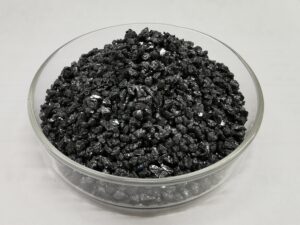
Silicon Carbide Refractory Material

Silicon carbide refractory is a high-performance refractory product made mainly from SiC (silicon carbide) as aggregate and powder, combined with binders (clay, oxide bond, nitride bond, etc.) and sintered at high temperature.

Read More »

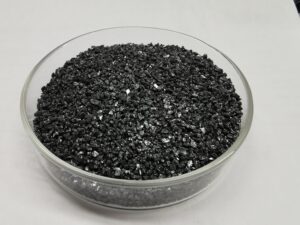
Black Silicon Carbide (SiC) Powder Applications

Black silicon carbide powder is a high-purity advanced ceramic material synthesized via Acheson process, featuring exceptional hardness, thermal stability, electrical conductivity, and chemical inertness. It is widely used as a functional filler, abrasive, and reinforcement in high-value industries.

Read More »

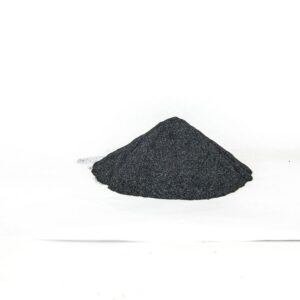
Silicon carbide micropowder for stone polishing

The use of silicon carbide (SiC) for stone polishing is a classic and highly effective application. Why Silicon Carbide? Silicon carbide is an ideal abrasive for stone due to its unique combination of properties: Extreme Hardness: With a Mohs hardness of 9.5, it is significantly harder than almost all natural stones (granite ~6-7, marble ~3-5, quartzite ~7).

Read More »

Green silicon carbide micropowder for optical glass polishing

Green silicon carbide is generally NOT used for the final polishing of optical glass. Its primary role is in the earlier, more aggressive grinding and lapping stages. Using it for polishing would likely ruin the glass surface. Core Principle: Polishing vs. Grinding/Lapping Polishing: The goal is to achieve a perfectly smooth, transparent, and scratch-free surface at the atomic/molecular level, removing the amorphous damaged layer left

Read More »
Scroll to Top