News

News

News

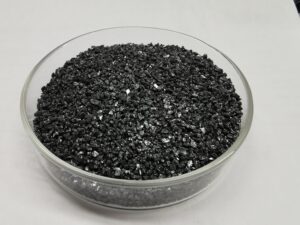
SIC-Black Silicon Carbide

Black Silicon Carbide (Black SiC), with the chemical formula SiC, is a synthetic ceramic material made by fusing quartz sand and petroleum coke at ~2200 °C. It features Mohs hardness ~9.2, high temperature stability (melting point ~2700 °C), excellent thermal shock resistance, chemical inertness, and wear resistance. Cost-effective and tough, it is widely applied in refractories for high-temperature furnaces, iron and steel troughs, abrasives (grinding wheels, sandblasting), metallurgical additives, and wear-resistant coatings, differing from green SiC by its lower cost and broader industrial use.

Read More »

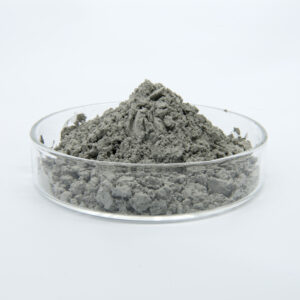
Green SIC polishing powder

Green silicon carbide polishing powder remains the workhorse abrasive for hard material processing where balance between removal rate, surface quality, and cost-effectiveness is paramount.

Read More »

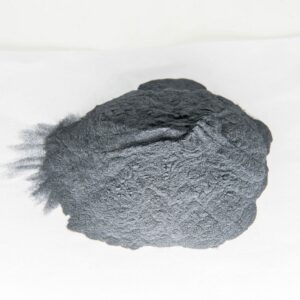
China Black Silicon Carbide Micropowder Price

Advantages of Black SiC Micropowder Black silicon carbide micropowder (α-SiC, SiC ≥98.5%) is hexagonal black crystalline fine powder (0.5–60 μm). Compared with green SiC, fused alumina and other abrasives, it has comprehensive superior properties: –Excellent Mechanical Abrasive Performance Ultra-high hardness: Mohs hardness 9.15–9.2, sharper cutting edges than white/brown fused alumina, fast stock removal. High toughness

Read More »

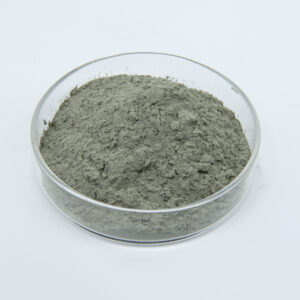
Green silicon carbide lapping powder advantages

Green silicon carbide (also written as Green SiC) is a high-purity synthetic abrasive material produced by high-temperature electric furnace smelting from high‑quality quartz sand, petroleum coke, and industrial salt. It appears as a green crystalline powder or block with sharp, angular particles.

Read More »

Green silicon carbide for Semiconductor silicon wafers polishing

Mix high-purity GC micro powder with deionized water or PEG carrier liquid to form suspended polishing slurry. Under pressure between lapping plate and silicon wafer, GC particles roll and micro-cut the silicon surface to evenly strip uneven peaks, realizing flattening without deep crystal lattice destruction.

Read More »
Scroll to Top