
Green Silicon Carbide (SiC) Powder is a high-hardness, synthetic abrasive and industrial material known for its exceptional properties. Its main applications leverage its extreme hardness, sharp edges, high thermal conductivity, and chemical inertness.
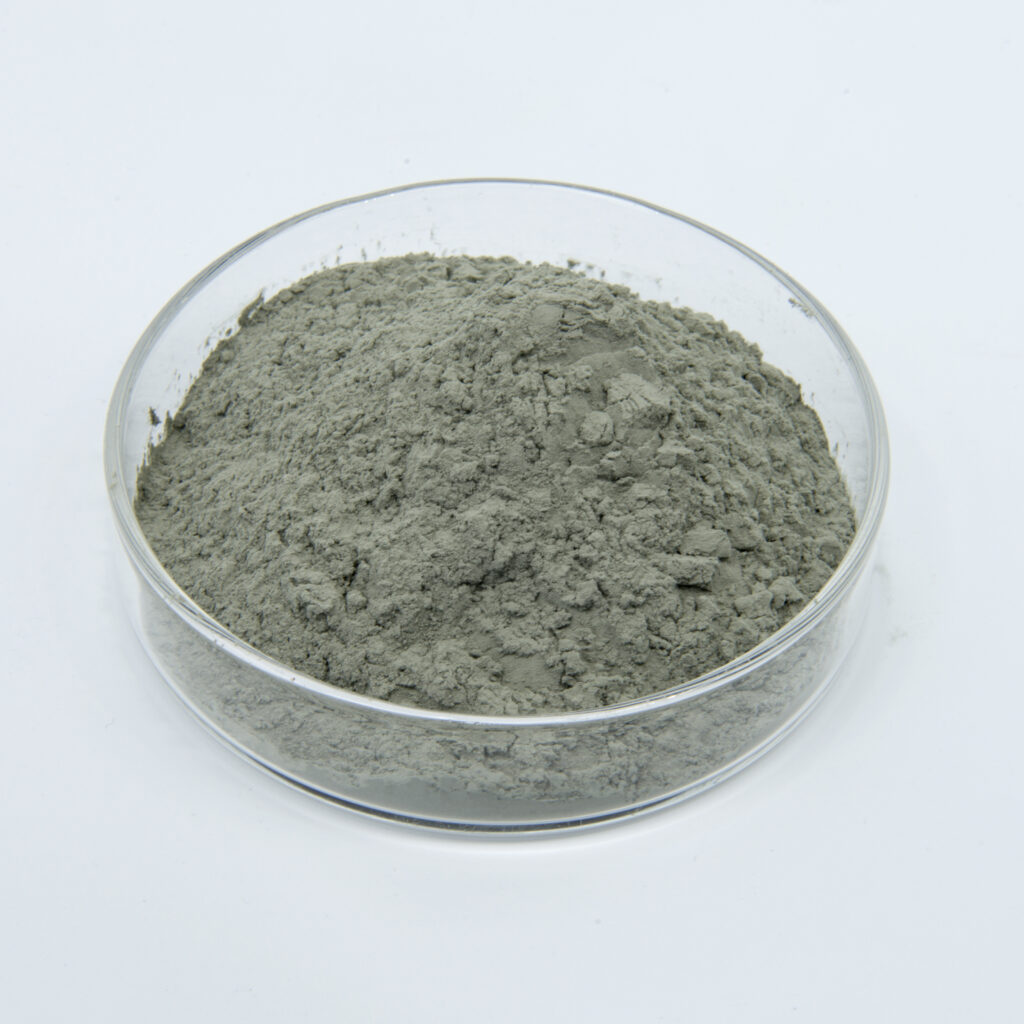
| SiC | Fe2O3 | F.C | SiO2 |
| ≥99% | ≤0.4% | ≤0.20% | ≤0.05% |
1. Abrasive and Polishing Applications (The Primary Use)
This is the most traditional and widespread use for green silicon carbide powder.
Lapping and Polishing:
Hard Metals and Alloys: Essential for grinding and polishing tungsten carbide tools, drills, and inserts due to its hardness being greater than tungsten carbide.
Optical Glass and LCD Glass: Used for precision lapping and polishing of glass substrates for smartphones, tablets, TVs, and optical lenses to achieve a flawless finish and high flatness.
Semiconductor Wafers: Used in the initial grinding and rough polishing stages of silicon wafers, sapphire substrates, and other semiconductor materials.
Stone and Ceramics: Finishing granite, marble, and technical ceramics.
Coated Abrasives: Bonded to paper, cloth, or fiber backings to make sandpaper, sanding belts, and discs for manual or machine sanding of metals, wood, and paints.
Free Abrasive Machining: Used in vibratory tumblers and blast equipment for deburring, descaling, and surface finishing of metal parts.
2. Refractory and High-Temperature Materials
Its high melting point (~2700°C), excellent thermal shock resistance, and strength make it invaluable in harsh environments.
Refractory Additives: Added to castables, mortars, and ramming mixes to drastically improve their abrasion resistance, strength, and thermal conductivity in applications like blast furnace linings, kiln furniture, and incinerators.
Kiln Furniture: Used to manufacture shelves (shelving plates), setters, and saggers that hold ceramics during firing because they can withstand repeated thermal cycling.
High-Temperature Coatings: Used in energy-saving radiative coatings applied to kiln walls to improve heat efficiency.
3. Engineering Ceramics and Composites
It is a key raw material for creating advanced structural components.
Structural Ceramics: Sintered to produce high-performance parts like seal rings, bearings, nozzles, and armor plates due to its hardness and wear resistance.
Composite Reinforcement: Added as a reinforcing phase to aluminum metal matrix composites (MMCs) and ceramic matrix composites (CMCs) to enhance their strength, stiffness, and wear properties.
4. Wire-Sawing and Cutting
Photovoltaic (PV) and Semiconductor Industry: Although largely superseded by diamond wire for silicon, green SiC micropowder mixed with a carrier fluid (a “slurry”) is still used in multi-wire sawing to slice silicon ingots into wafers for solar cells and semiconductors.
5. Other Specialized Applications
Anti-Slip and Wear-Resistant Coatings: Added to paints and coatings for industrial flooring, ship decks, and ramps to drastically improve traction and durability.
Thermal Interface Materials: Its high thermal conductivity makes it a functional filler in some thermal pastes and greases for electronics cooling (though its hardness can be a drawback for certain applications).
Precision Blasting: Used in micro-abrasive blasting for delicate tasks like etching glass, cleaning sensitive components, or cutting intricate patterns without causing heat damage.