Silicon carbide Used for Paint and Coating
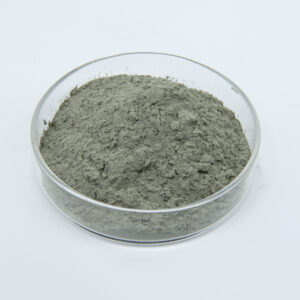
Compared with black silicon carbide, green silicon carbide features higher purity, superior hardness and cleaner color, making it more suitable for topcoats and light-tone coating systems.
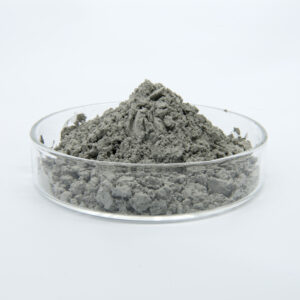
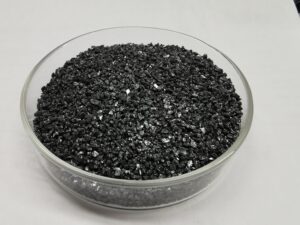
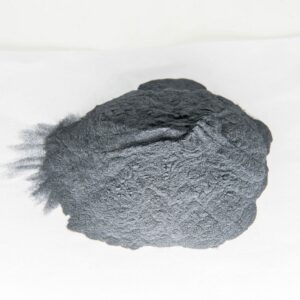
Silicon carbide (SiC) powder manufactured in China exists mainly in two crystal forms: α-SiC (hexagonal/rhombohedral, industrial mainstream) and β-SiC (cubic, ultrafine/nano grade). Black SiC and green SiC are the most common commercial grades.
High-purity green SiC contains extremely low iron impurities, eliminating iron contamination on carbide surfaces which would otherwise damage subsequent coating layers. It is chemically inert against tungsten carbide (WC) and cobalt binder (Co) under instantaneous high temperature during blasting, preventing surface decobaltation and thermal embrittlement.
Silicon carbide (SiC) is a hard inorganic ceramic material with Mohs hardness up to 9.2, excellent thermal conductivity, outstanding chemical inertness and high-temperature resistance.
High-purity green silicon carbide micropowder is the primary sintering raw material for manufacturing all core components of SiC ceramic pumps
Black silicon carbide is a key raw refractory material for high-temperature furnaces, kiln furniture, and smelting linings. It provides excellent heat resistance, slag corrosion resistance, thermal shock resistance and wear resistance, widely used in steel, iron, aluminum and ceramic industrial kilns.