
Black Silicon Carbide for Industrial Pumps
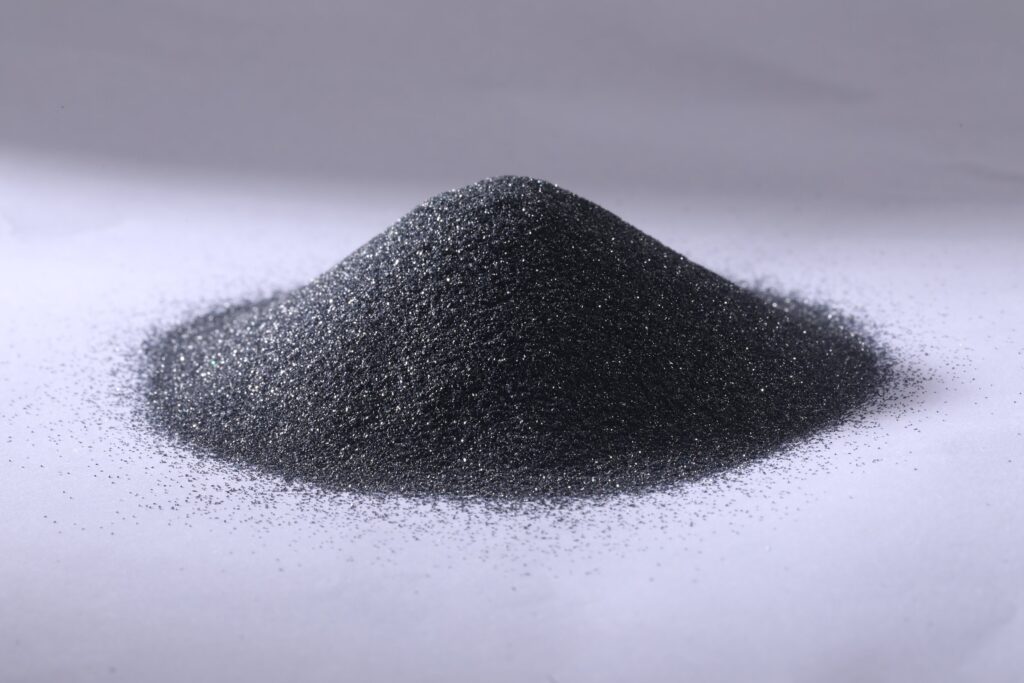
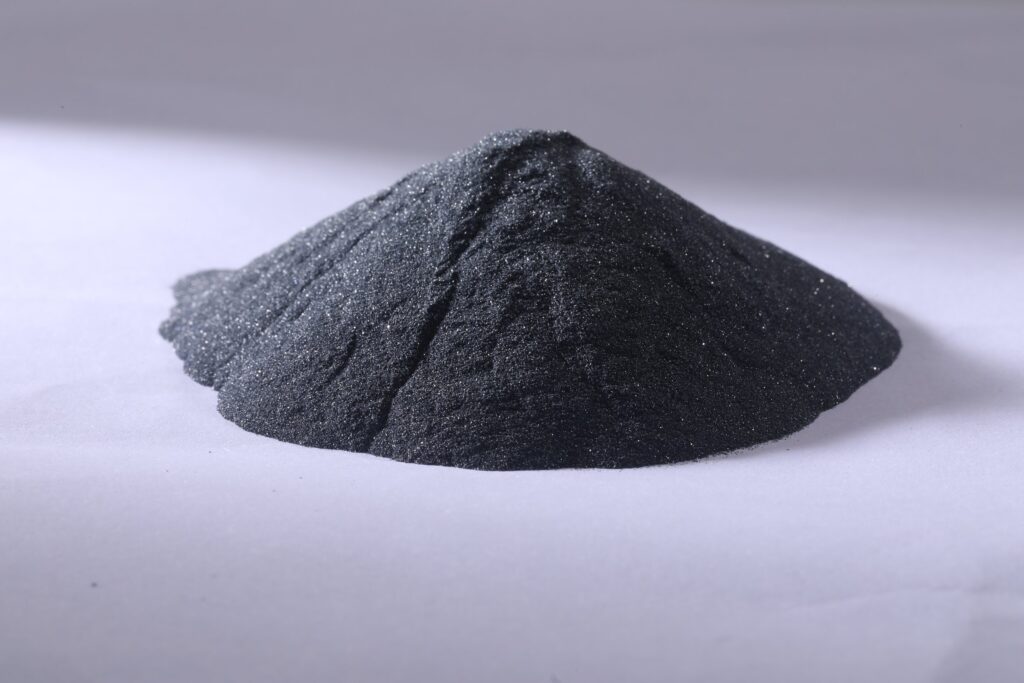
Black silicon carbide (Black SiC) is a critical high-performance ceramic material widely used in industrial pumps, especially for severe service conditions involving abrasion, corrosion, high temperature, and high mechanical load. It outperforms traditional metal alloys and ordinary ceramics in service life, reliability, and operational efficiency, making it a core material for demanding pump applications.
1. Core Applications in Industrial Pumps
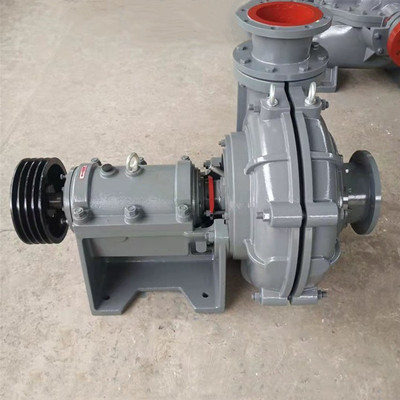
1.1 Flow-Through Components (Impellers, Liners, Wear Plates, Pump Casings)
These components are in direct contact with the pumped medium, the most common application area for black SiC in pumps.
- Typical Pumps: Slurry pumps, desulfurization circulating pumps, mineral slurry pumps, filter press feed pumps, dredge pumps
- Key Advantages: With a Mohs hardness of 9.2–9.5 and a Vickers hardness of ~17.14 GPa, black SiC offers 3–10 times higher abrasion resistance than high-chromium alloys and stainless steel. It is chemically inert, resistant to acid/alkali corrosion and chloride ion erosion, and can operate in a wide pH range (0–14).
- Structural Forms: Metal-bonded ceramic composites (combining pressure resistance and wear resistance) and fully sintered black SiC ceramics.
- Performance Benefits: Reduces downtime and replacement frequency, lowers maintenance costs, and extends continuous operation time.
1.2 Mechanical Seals (Dynamic/Static Rings, Seal Faces)
Mechanical seals are critical for preventing fluid leakage in pumps, and black SiC is a premium material for seal faces.
- Typical Pumps: Centrifugal pumps, single-screw pumps, chemical pumps, high-pressure water injection pumps
- Key Advantages: Low friction coefficient and self-lubricating properties; high thermal conductivity and low thermal expansion coefficient, providing excellent thermal shock resistance and preventing face thermal cracking. Its low density minimizes centrifugal force during high-speed rotation, reducing vibration and ensuring stable face contact.
- Matching Combinations: Paired with graphite, tungsten carbide, etc., for contact mechanical seals and dry gas seals.
- Performance Benefits: Extends seal service life, reduces leakage, lowers energy consumption, and minimizes maintenance.
1.3 Sliding Bearings/Bushings
Used in high-load, high-temperature, or high-speed pump systems to support the pump shaft and reduce friction.
- Typical Pumps: Chemical pumps, sewage pumps, high-speed process pumps
- Key Advantages: High rigidity, mechanical strength, corrosion and wear resistance, and thermal shock resistance, making it suitable for high-pressure and high-sliding-speed conditions.
- Performance Benefits: Reduces friction loss, improves pump operational stability and reliability.
2. Key Properties of Black Silicon Carbide (Pump-Oriented)
| Property | Value/Characteristic | Value for Pumps |
|---|---|---|
| Hardness | Mohs 9.2–9.5, Vickers ~17.14 GPa | Resists particle abrasion in slurry, mineral slurry, and abrasive media |
| Corrosion Resistance | Chemically inert, resistant to most acids, alkalis, and salts | Ideal for chemical, desulfurization, seawater, and high-chloride wastewater environments |
| Thermal Properties | High thermal conductivity, low thermal expansion coefficient, excellent thermal shock resistance | Dissipates heat from high-speed friction; resists cracking under temperature fluctuations |
| Mechanical Strength | Bending strength ~410 MPa, compressive strength ~2800 MPa | Stable performance under high pressure and heavy loads |
| Density | ~3.1 g/cm³ (lower than cemented carbide/steel) | Reduces vibration during high-speed rotation; ensures stable face contact for seals |
| Friction Behavior | Low friction, self-lubricating | Reduces energy consumption and temperature rise |
3. Typical Industries and Pumped Media
- Industries: Metallurgy, mining, coal power, thermal power (desulfurization), chemical industry, environmental protection/water treatment, dredging, building materials
- Pumped Media: Slurry, mineral slurry, sludge, coal-water slurry, desulfurization slurry, acid/alkali solutions, high-chloride wastewater, seawater, and process fluids with solid particles
4. Selection and Usage Guidelines
- Sintering Process Selection
- Reaction-Bonded Silicon Carbide (RBSiC): Low cost, suitable for medium and low load conditions.
- Pressureless Sintered Silicon Carbide (SSiC): Versatile, balanced performance for most industrial pump applications.
- High-Purity Sintered Silicon Carbide: For clean media applications (e.g., semiconductor, food processing pumps).
- Composite Structure Design
Metal-bonded ceramic composites are recommended to avoid the brittleness of pure ceramics, balancing pressure resistance and wear resistance.
- Installation and Maintenance
- Avoid severe impact during installation and operation.
- Precision grinding is required for seal faces to ensure flatness and sealing performance.
- Regular inspection for face wear, thermal cracking, and corrosion.
- Cost-Benefit Analysis
The initial procurement cost is higher than metals, but the long service life and low maintenance frequency result in a lower total cost of ownership (TCO) over the pump’s lifecycle.
5. Summary
Black silicon carbide is a core wear and corrosion-resistant material for industrial pumps operating in high-abrasion, high-corrosion, and high-load conditions. It is primarily used in flow-through components and mechanical seals, significantly extending pump service life, reducing maintenance, and minimizing leakage. It is widely applied in key fields such as slurry, desulfurization, chemical engineering, and water treatment.