
Black Silicon Carbide for Industrial Ceramics
1. Black silicon carbide introduction
Raw materials: quartz sand & petroleum coke smelted at ultra-high temperature.
Features: black crystal powder, high hardness, high refractoriness, excellent thermal shock resistance, abrasion & chemical corrosion resistance.
Features: black crystal powder, high hardness, high refractoriness, excellent thermal shock resistance, abrasion & chemical corrosion resistance.
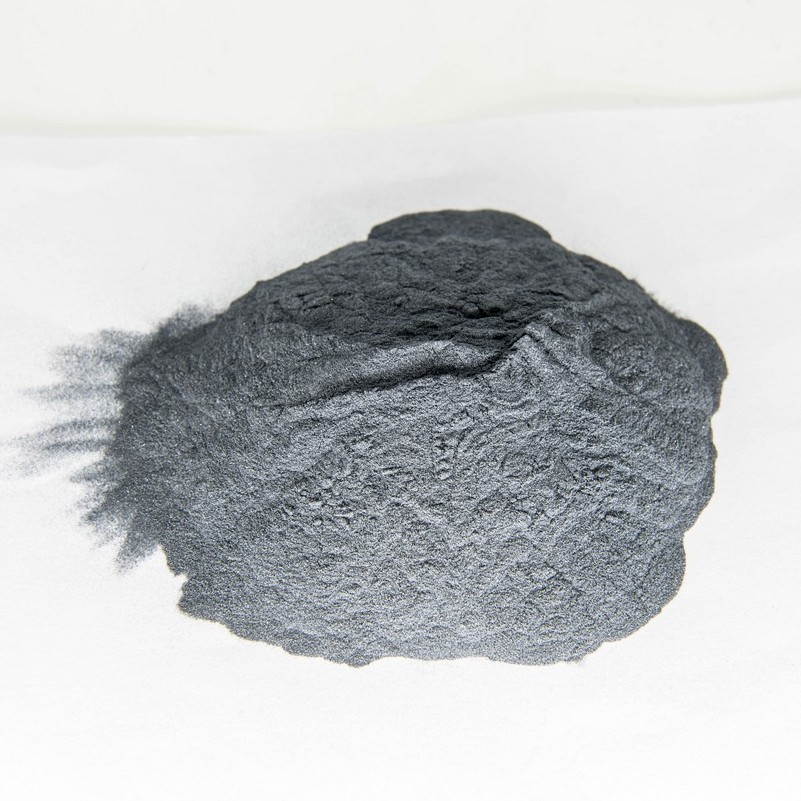

2. Core Physical & Chemical Properties
- Mohs hardness: 9.2
- Melting point: ≥2200℃
- Long-term service temp: 1300–1600℃
- Acid & alkali resistance, low thermal expansion, high thermal conductivity
- High toughness, anti-oxidation, non-deformation at high temperature
3. Common Particle Sizes
- 200–320#: Wear-resistant structural ceramics, kiln furniture
- 400–600#: Most widely used for ceramic body reinforcement, densification & coloring
- 800–1000#: High-density special ceramics, fine industrial ceramic parts
4. Black Silicon Carbide Functions in Industrial Ceramics
- Improve mechanical strength & toughness, prevent cracking and chipping
- Super wear resistance, extend service life of ceramic parts
- Outstanding high temperature resistance & thermal shock stability
- Resist acid, alkali and molten medium corrosion
- Densify ceramic structure, reduce water absorption & permeability
- Stable black color at high temperature, uniform coloring
- Optimize thermal conductivity for heat-conductive ceramic components
5. Main Application Products
- Kiln furniture: SiC shelf plates, saggers, kiln supports
- Wear-resistant ceramics: liner plates, ceramic pipes, anti-wear special-shaped parts
- Anti-corrosion chemical ceramics, high-temperature crucibles
- Flue gas / dedusting industrial ceramic accessories
- High-strength structural industrial ceramic parts
6. Difference: Black SiC vs Green SiC
- Black SiC: High toughness, cost-effective, first choice for general industrial ceramics, refractory & wear-resistant ceramics
- Green SiC: Higher purity & hardness, mainly for polishing, electronic ceramics & high-end fine ceramics
7. Formula & Adding Ratio
- Addition ratio: 10%–35% (adjusted by ceramic formula)
- Firing temperature: 1280℃–1380℃
- Mixing: dry/wet mixing with clay, bauxite and other ceramic raw materials