
Black silicon carbide (SiC) crucibles represent the highest tier of refractory performance, engineered for extreme thermal, mechanical, and chemical demands. Unlike typical refractory containers, SiC crucibles directly contact molten metals, salts, slags, or reactive substances under severe thermal cycling.
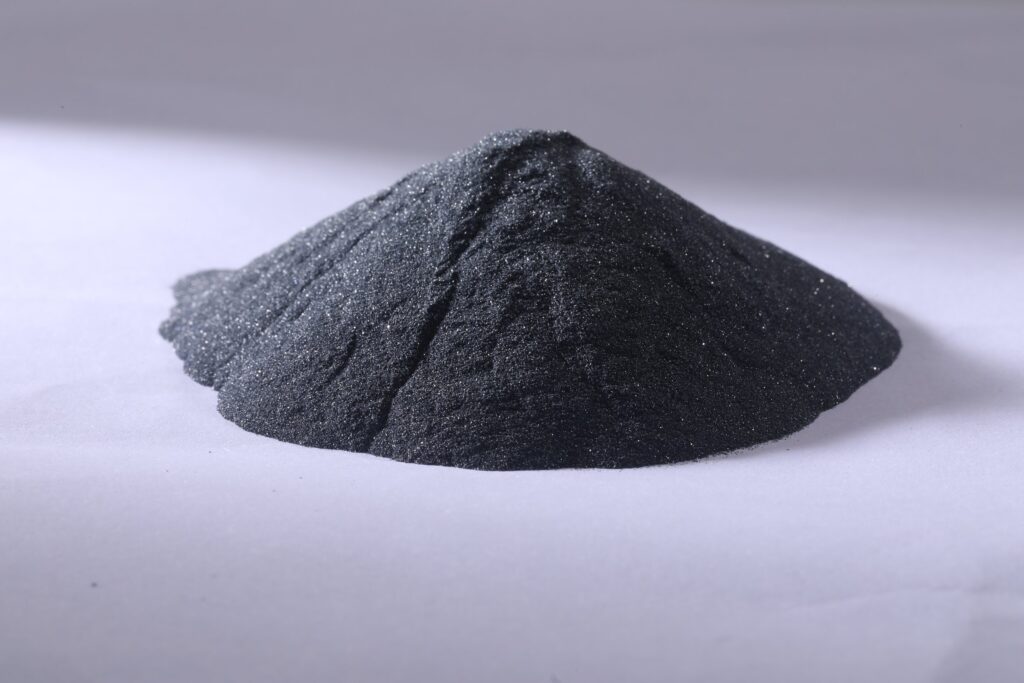
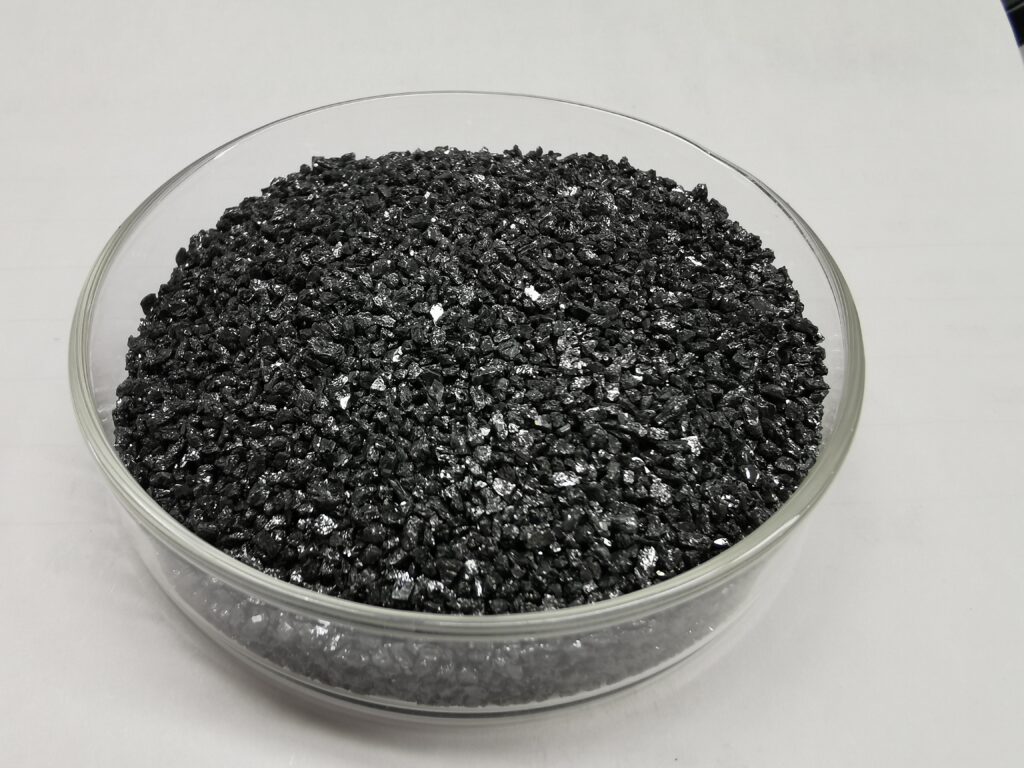
1. Why Black SiC is Ideal for Crucibles
Crucibles operate under more aggressive conditions than saggers or kiln furniture. Black SiC’s intrinsic properties provide critical advantages:
| Property | Benefit for Crucibles |
|---|---|
| Exceptional Thermal Shock Resistance | Withstands rapid heating (room temp → 1600°C+) or quenching without cracking—critical for melting and pouring cycles. |
| High Thermal Conductivity | Enables rapid heat transfer to contents, improving energy efficiency and melting rates. |
| Superior High-Temperature Strength | Maintains structural integrity under load of dense molten metals (e.g., copper, alloys) without sagging or creep. |
| Excellent Chemical Inertness | Resists wetting/erosion by many non-ferrous melts (Al, Zn, Cu) and acidic slags; preserves melt purity. |
| High Hardness & Abrasion Resistance | Withstands mechanical abuse during charging/stirring and abrasive particle interactions. |
2. Key Industrial Applications
Non-Ferrous Metallurgy:
Aluminum: Melting, holding, and alloying crucibles/troughs.
Copper & Copper Alloys: Smelting and casting.
Zinc, Lead, Precious Metals (gold, silver).
Advanced Materials Processing:
Crystal Growth: R-SiC crucibles are essential for sapphire (Al₂O₃) crystal production (Kyropoulos, Heat Exchange Methods).
Semiconductor & Photovoltaics: Multicrystalline silicon ingot casting (directional solidification furnaces).
Ceramic/Magnetic Powder Sintering: High-temperature setter plates/saggers.
High-Temperature Research & Laboratory: Demanding thermal cycling experiments.
Summary
Black SiC refractory crucibles are engineered solutions for extreme thermal and chemical environments. The choice of bonding technology—clay, nitride, or recrystallized—determines their performance ceiling, lifespan, and cost. Nitride-bonded SiC crucibles offer the best all-around industrial value, while R-SiC serves niche, ultra-high-purity applications. Proper selection based on melt composition, operating atmosphere, and thermal cycle profile is critical to maximizing crucible performance and operational economy.